
When You're One Month Out: What Actually Matters in Your Final ADT Preparation
One month before your ADT start, the planning phase ends and the systems phase begins. Stop gathering more information and start testing what actually matters: your communication plan, your gear under real conditions, and your navigation tools. Confidence comes from knowing your setup works.


Think of this: You're one month away from starting your westbound American Discovery Trail thru-hike. The flights are booked, the gear is mostly sorted, and you've spent months researching routes and resupply strategies.
This is when things shift.

The final month before your start date isn't about gathering more information or getting more motivated. You're already committed—you wouldn't be reading this if you weren't. This month is about moving from planning to systems. It's about testing the practical details that will keep you moving smoothly on trail, and building the kind of quiet confidence that comes from knowing your setup actually works.
Here's what I focus on with hikers in these final weeks, broken down into three key areas that eliminate surprises and set you up for success.
Getting Your Communication Systems Sorted
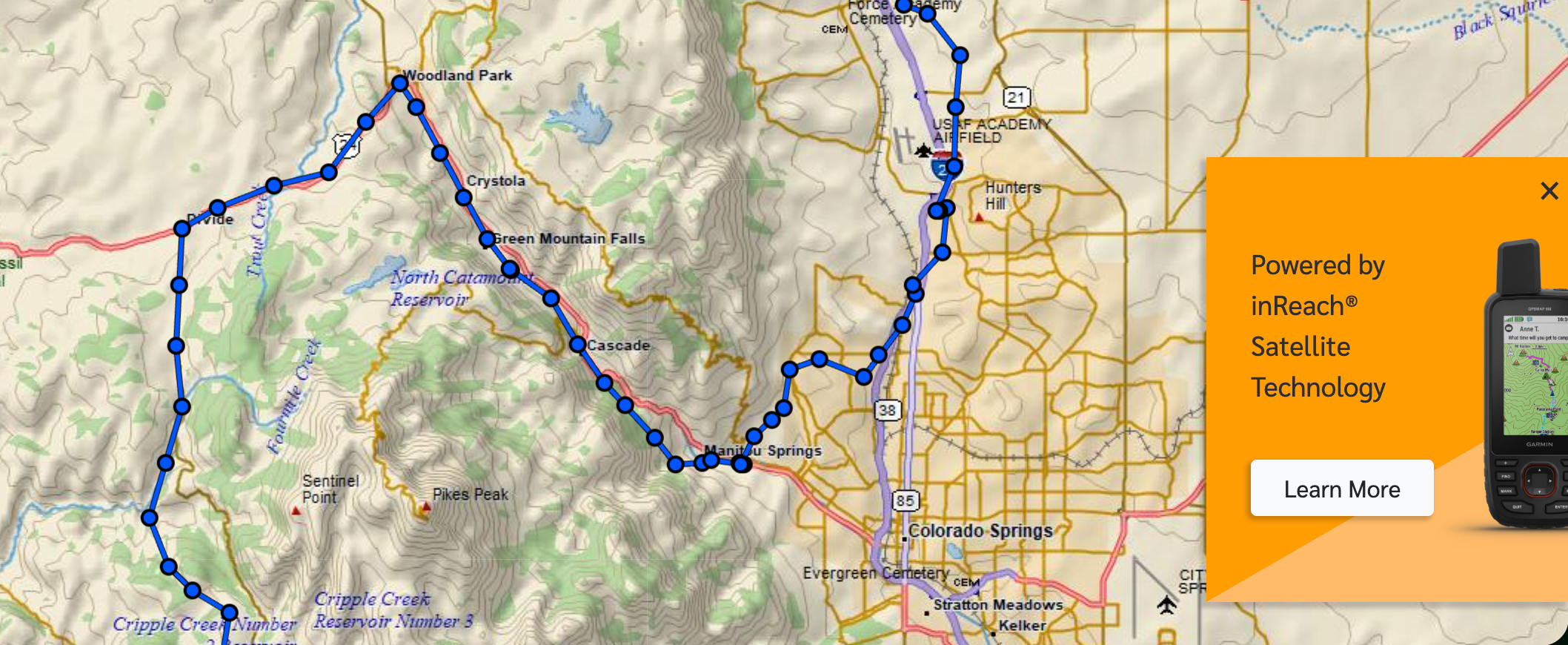
Let's start with something that doesn't involve gear or navigation but will save you significant mental energy once you're on trail: your communication plan.
Right now, before you're tired and trying to find Wi-Fi in a random Ohio library, decide who needs updates from you and how often. Your partner probably wants to hear from you every couple of days. Your parents might need weekly check-ins. Your best friend might be fine with occasional texts when you hit town.
Write this down. Be specific. "I'll text Mom every Sunday when I'm in town" is better than "I'll stay in touch." The clearer your plan now, the less you'll worry about it on the trail.
Next, set up your check-in system and make sure everyone understands how it works. Are you using the Garmin inReach? Regular cell service when available? A combination? Whatever system you choose, test it before you leave and explain to your contact people exactly what they should expect.
Here's what matters: Your family and friends need to know what "normal" looks like so they don't panic when you're out of contact. If they know you'll be offline for three days hiking through remote sections, they won't worry. If they expect daily texts and don't hear from you, they'll assume something's wrong.
Include your emergency contact protocol in this conversation. Who should people call if there's a real emergency back home? What constitutes an emergency worth interrupting your hike? These are hard conversations to have but important ones to address before you're dealing with them from a trail town.
Finally, decide now how much detail you want to share and how often. Some hikers love daily blog updates. Others prefer to stay mostly offline and share stories when they get home. Neither approach is wrong, but clarity before you start prevents mismatched expectations later.
The goal isn't to eliminate all communication—it's to set up systems that work without adding stress to your days on trail.
Testing Your Gear Under Real Conditions
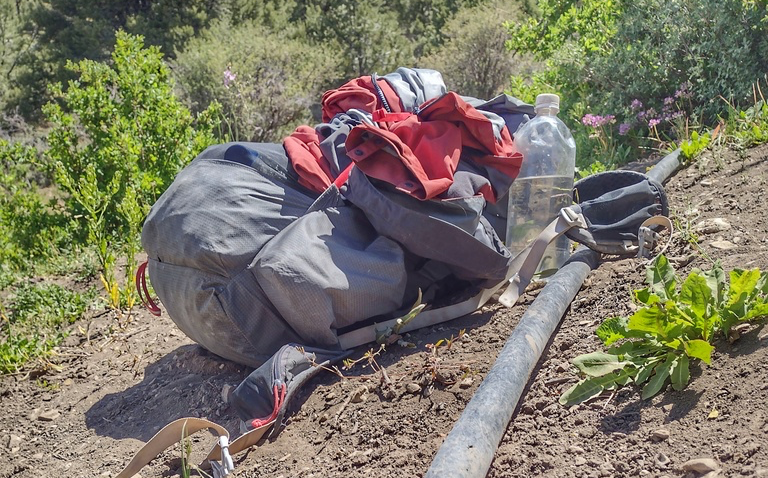
You've probably worn your pack around the house. Maybe you've taken your tent out in the backyard. That's a start, but it's not the same as actually hiking with everything you're carrying.
This is your month for a real shakedown hike—a full weekend with your complete kit, ideally somewhere that approximates trail conditions you'll face on the ADT. Load your pack with the weight you'll actually carry between resupply points. Wear the boots you'll be hiking in. Set up your sleep system in real field conditions, not perfect weather.
Here's what you're testing: not just whether things work, but how they work together when you're tired, when it's getting dark, when conditions aren't ideal.
Does your tent set up quickly enough when you're exhausted at the end of a long day? Can you actually access the gear you need without unpacking everything? Does your water filtration system work smoothly, or does it feel clunky and slow? Are your boots comfortable after ten miles with a full pack, or are there hot spots developing?
These weekend shakedowns reveal problems you can still fix. Maybe you discover your pack's hipbelt needs adjustment. Maybe you realize you packed three things that do the same job and you only need one. Maybe you find that your "emergency" first aid kit is buried so deep you'd never actually use it in an emergency.
Make adjustments now, then test again if the changes are significant. The trail will continue teaching you things about your systems—that never stops—but you want to start with a setup that you know basically works.
Pay particular attention to your food and cooking system. Cook several meals using only the setup you're bringing. Time how long water takes to boil at elevation if possible. Make sure you've actually eaten the foods you're planning to carry—some things that sound good in a store taste terrible after hiking all day.
The shakedown weekend isn't about proving you're ready. It's about identifying problems while you still have time to solve them.
Mastering Your Navigation Before Day One
Here's where things get practical in a different way. Your GPS data is downloaded, your phone is charged, and you've probably looked through the waypoints. That's good, but it's not the same as actually using the system.
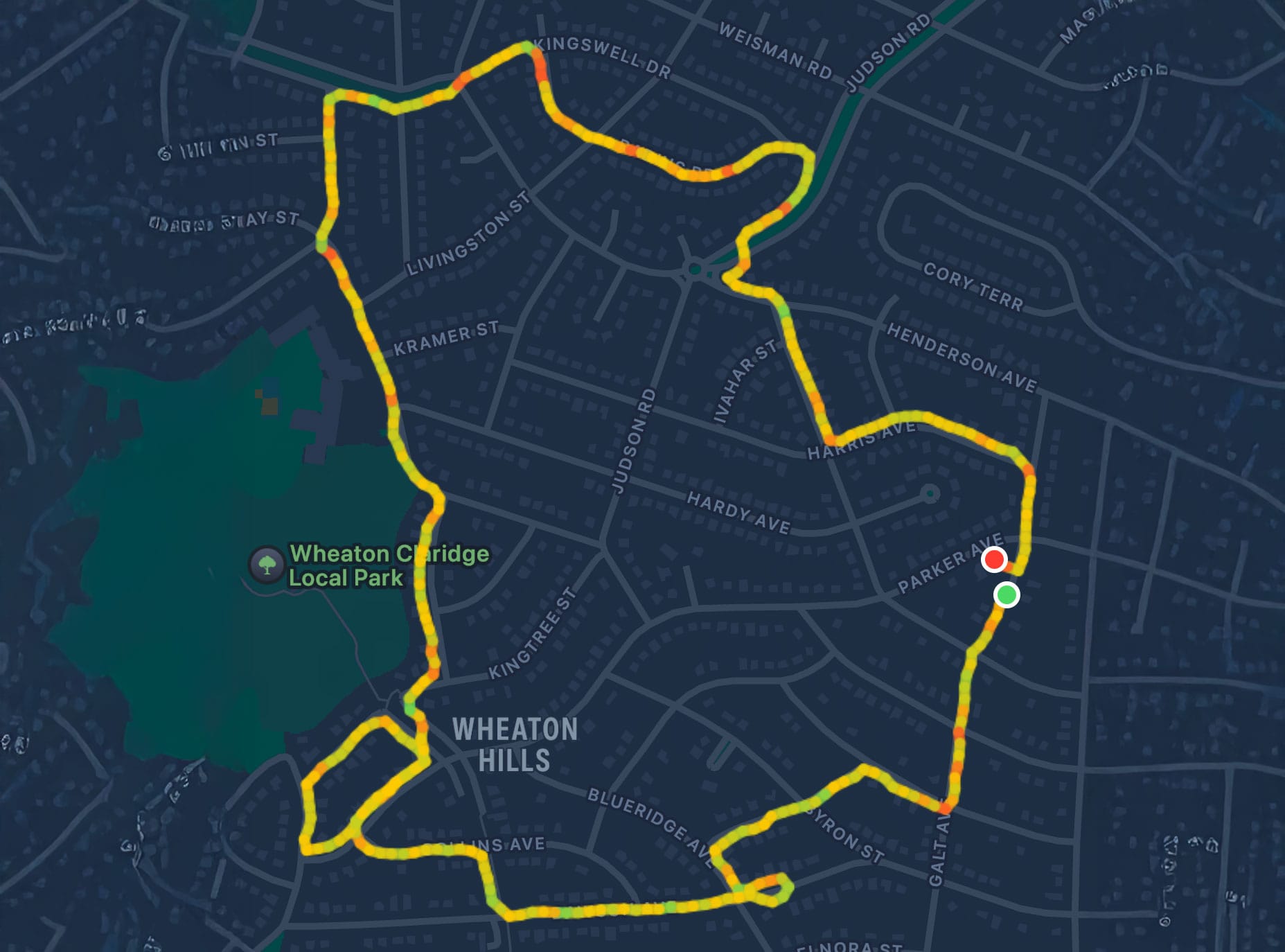
Most ADT hikers don't live near the trail, so you can't practice navigating the actual route. What you can do is create a simple route in your neighborhood using Gaia GPS and practice navigating with it.
Pick a route that includes turns, landmarks, and decision points—maybe a loop through a local park or around your neighborhood. Create it in Gaia GPS using the same waypoint system you'll use on the ADT. Then actually follow it, using only the app to navigate.
This sounds almost too simple to matter, but here's why it's crucial: You need to know how the interface works before you're tired, hungry, and trying to figure out if you missed a turn in some remote section. Get comfortable with basic functions now:
How do you zoom in and out quickly? Where's the button to center the map on your location? How do you check the next waypoint? What does it look like when you're on route versus off route? How do you switch between map layers? What happens if you accidentally close the app?
These are small things, but fumbling with them on Day One adds unnecessary stress. Practice until the interface feels intuitive, until checking your position becomes second nature rather than something you have to think through step by step.
Also test your offline maps while you're doing this. Put your phone in airplane mode and make sure everything still works. This is how you'll be using it most of the time on trail—without cell service, running entirely on downloaded data.
If you're bringing a backup battery pack, test your charging system too. How long does it take to charge your phone? How many charges does your battery pack provide? Do you need any special cables or adapters?
The goal is to build familiarity with your tools so that using them on trail feels automatic rather than challenging. You want your mental energy going toward enjoying the experience and managing the real uncertainties of long-distance hiking, not toward basic navigation questions that could have been answered in your living room.
The Shift That Makes Everything Work
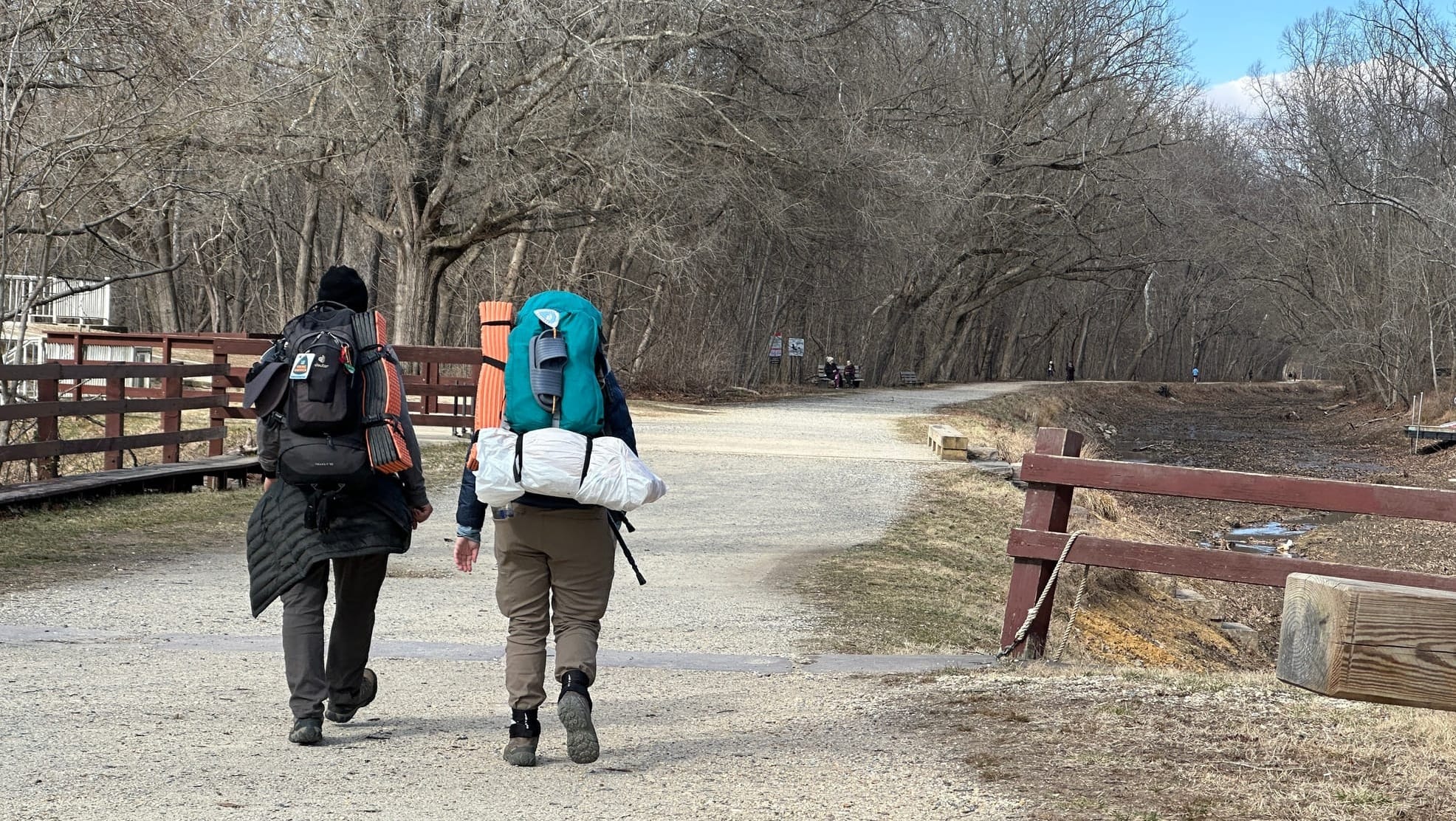
The final month before your ADT start is about changing your relationship with preparation. You're done gathering information. You're done making big decisions about routes and timing. Now you're dialing in the practical systems that turn all that planning into a functioning hike.
This is the difference between feeling prepared and actually being prepared. It's the shift from "I think I have everything figured out" to "I know my systems work because I've tested them."
The confidence that comes from this kind of preparation isn't loud or flashy. It's quiet and steady. It's the knowledge that when your phone shows a waypoint, you know exactly what that means. When you set up camp, your systems flow without friction. When someone back home wonders if you're okay, they already know what to expect from your check-ins.
You're not eliminating all uncertainty—that's impossible and honestly not even the goal. The trail will still surprise you. The weather will change plans. You'll adapt and problem-solve constantly. That's what makes the journey meaningful.
But you're eliminating the unnecessary surprises, the problems that don't need to exist, the friction that comes from untested systems and unclear expectations. You're giving yourself the foundation to handle whatever actually comes up, because you're not wasting energy on preventable problems.
One month out, your job isn't to feel ready—it's to make sure your systems work. The feeling of readiness will come from knowing you've done the work.
Ready to finalize your navigation plan? Hiking America provides the most comprehensive GPS data and turn-by-turn guidance available for the American Discovery Trail, including verified waypoints and real-time updates from hikers currently on the trail.
Check out our complete resources at HikingAmerica.com. 🥾

I'm Hiking America Credential Badge
Recognized by trail angels, hostels, and fellow hikers nationwide!
Get your Custom Hiking America Hiker Tag!
Only $19 for a Limited Time!
Always Free to Hiking America Members.